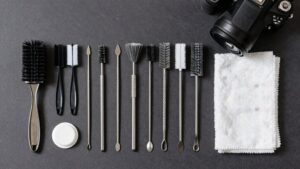
How to Clean a Steam Wand

You should purge and wipe your steam wand after every use to stop milk buildup and protect seals. Give a minimum two-second purge into the drip tray, then wipe with a clean cloth.
Do a deeper soak and tip removal regularly to clear milk channels and inspect the gasket for cracks or flattening.
Replace worn gaskets on a predictable schedule: 6–12 months at home; sooner with heavy use. Keep spares handy. Continue for tips on pressure, purge volume, and replacement steps.
Quick Overview
- Purge immediately after every milk steam to blow milk back into the drip tray for at least a two-second burst.
- Wipe the wand with a clean, damp cloth right after purging to remove surface milk residues.
- After a milk session, soak removable tips in warm, soapy water or a commercial milk-cleaner. Then brush and rinse.
- Inspect the steam tip gasket monthly for cracks, hardening, or leaks; replace every 6–12 months, or sooner with heavy use.
- Perform larger-volume purges after heavy foaming. Direct purge output to the drip tray or cloth to protect seals and prevent buildup.
Steam Pressure and Temperature
Wondering what pressure and temperature you should expect from a steam wand? You’ll aim for a balance: around 1.0–1.5 bar steam pressure and boiler temperatures near 122°C for reliable phase change and efficient frothing.
Lower pressure gives gentler flow; higher pressure (1.75–2.3 bar) speeds steaming but risks scorching if temperature exceeds ~140°C. For microfoam, target 1.0–1.5 bar with 130–140°C boiler temps. Levers and prosumer machines sit lower. Some commercial rigs run higher for velocity.
| Category | Pressure (bar) | Temperature (°C) |
|---|---|---|
| Prosumer/Home | 1.0–1.2 | 122–125 |
| Commercial Standard | 1.0–1.25 | 122–130 |
| High-Pressure Commercial | 1.75–2.3 | ~130+ |
Purge Frequency and Volume
Steam pressure and boiler temperature set the energy available for frothing, but how you manage that steam between milk runs matters just as much. You should purge immediately after each milk run. Consistent purge frequency prevents milk ingress and buildup. Keep each purge long enough to clear residues: a minimum two-second burst, longer when foam appears.
Adjust purge volume to the machine and wand size; small, quick purges are for spot cleaning. Larger-volume blasts are needed when you’ve steamed textured milk. Regular, purposeful purges reduce deep-cleaning time and protect seals.
- Purge after every use
- Purge at least two seconds
- Increase purge volume after heavy foaming
- Direct spurts to drip tray or cloth
- Use consistent purge frequency for routine prevention
Wand Tip Gasket Replacement Frequency
Watch the gasket for hardening, cracks, leaks, or steam escaping around the tip, because those are clear signs it’s worn. You’ll typically replace rubber gaskets every 6–12 months. PTFE or silicone may last longer, but exact timing depends on material and usage.
I’ll outline a quick replacement procedure and give preventive tips to extend gasket life.
Gasket Wear Signs
How can you tell when the wand tip gasket needs replacing? Look for steam leakage around the tip, difficulty maintaining pressure, or a loose-fitting tip; these are direct signs of gasket wear.
Inspect the gasket visually: cracks, flattening, or hardened rubber mean the seal has lost elasticity. You’ll also notice increased milk residue buildup where the seal no longer closes properly. Occasional spurting during purges indicates an imperfect seal.
Check the gasket during routine cleaning and after soaking or descaling, since heat and chemicals accelerate wear. Keep a simple log of observations tied to cleaning cycles to spot patterns. These objective cues let you judge when to act ahead of complete failure without relying on arbitrary replacement interval guesses.
Recommended Replacement Interval
You’ve just learned the signs that a wand tip gasket is failing. So next, you should set a practical replacement interval to avoid leaks and pressure issues. Aim to inspect the gasket monthly and replace it every 6–12 months under normal home use.
If you run heavy daily service, shorten the replacement interval to 3–6 months. Track gasket wear during routine cleaning: look for cracks, compression flattening, or steam seepage after purging and wiping.
Replace immediately when wear appears, rather than waiting for failure. Keep spare gaskets on hand and log replacements so you maintain consistent performance and safe pressure seals. A proactive schedule prevents leaks, maintains steam pressure, and reduces downtime.
Material Differences Impact
Different gasket materials wear in distinct ways, so factor material when setting replacement intervals. You’ll notice silicone gaskets tolerate heat and acidity better, resisting hardening from milk residues. Rubber ones compress faster and crack under repeated flexing. PTFE or high-temp polymers last longest; however, they can mask wear until sealing fails.
Match gasket choice to your usage: High-volume cafés with elevated steam pressure need durable polymers. Low-use home machines can manage softer materials with more frequent checks. Inspect gaskets monthly for flattening, tears, or extrusion. Test under normal steam pressure for leaks.
When you detect performance loss, replace the gasket promptly. Don’t wait for catastrophic failure that risks internal contamination or damaged fittings.
Replacement Procedure Overview
When should you plan to replace the wand tip gasket? You should schedule replacement procedure intervals based on wear, leaks, and performance rather than an arbitrary timeline. Inspect the gasket during routine checks. Replace it when you see cracking, flattening, persistent leaks, or reduced steam pressure and sealing ability.
Frequent heavy use may require replacement every 6 to 12 months; light use can extend that. When the gasket fails, you’ll notice decreased pressure, sputtering, or milk backing up into the arm. Replace promptly to restore proper pressure and sealing and to prevent internal contamination.
Keep a small stock of OEM or compatible gaskets and follow the machine-specific replacement procedure to ensure correct fit and reliable, repeatable sealing.
Preventive Maintenance Tips
How often should you replace the wand tip gasket? You should inspect gasket wear regularly and plan a replacement frequency based on usage: high-volume cafes should expect a shorter interval than home use.
Monitor signs such as leaks, reduced steam pressure, inconsistent temperature, or increased purge frequency to clear residues as indicators. Material differences affect durability; silicone often lasts longer than foam.
The recommended replacement interval is typically every 6–12 months for moderate use; sooner under heavy volume or if you notice impact on steam performance. Include gasket checks in your preventive maintenance overview and follow the replacement procedure promptly when signs appear.
Timely replacement preserves steam pressure, maintains temperature stability, and prevents larger repairs.
Frequently Asked Questions
Can I Use Dish Soap Instead of Specialized Cleaners?
You can use mild dish soap for routine external cleaning, but don’t rely on it for deep sanitizing or descaling. Dish soap removes surface milk, but it won’t dissolve hardened solids or sanitize internal passages.
Use specialized cleaners for soaking tips and internal flushing. Avoid strong detergents on rubber seals and follow plastic tips safety: don’t soak plastic tips in hot chemical mixes that can warp them. Always rinse thoroughly before using.
Is It Safe to Soak Plastic Steam Tips?
Yes, it is generally safe to soak plastic steam tips briefly, but you shouldn’t use hot soaking or harsh chemicals that can warp them. You can use mild dish soap as an alternative cleaner for light buildup: dissolve it in warm (not boiling) water and soak for about 5–20 minutes. Then rinse thoroughly.
For heavy milk deposits, use manufacturer-recommended cleaners or enzymatic solutions to avoid degrading plastic over time.
Can Milk Proteins Cause Stainless Steel Corrosion?
Yes, milk proteins can contribute to stainless steel corrosion if left on surfaces. You’ll get protein residue that traps moisture and bacteria, promoting pitting and crevice corrosion over time. This is especially true with salt, acid, or heat present.
You should purge, wipe with a damp cloth, and soak tips regularly to remove proteins. Prompt and proper cleaning prevents localized attack and preserves the stainless steel finish and function.
How Do I Remove Coffee Stains From the Wand Base?
You remove coffee stains from the wand base by using a damp cloth and a mild detergent or a 1:1 vinegar-water solution for wand base cleaning. Scrub gently with a soft brush or nonabrasive pad. Rinse thoroughly, then dry to prevent streaks.
For stubborn stains, soak a cloth in diluted cleaning solution and wrap the base for five minutes before scrubbing. Repeat as needed and always run steam briefly afterward to flush residues.
Can I Clean the Wand While the Machine Is Off?
Yes, you can clean the steam wand off the machine, but you shouldn’t only do that. You can clean the wand while the machine is off for safety when removing the tip or soaking parts.
However, purge and wipe the wand after each use while the machine is hot to prevent buildup. For deep cleaning, detach tips; soak in appropriate solution, rinse thoroughly, then reassemble and run a short steam flush.
Conclusion
You now know how steam pressure, temperature, and purge routines affect wand cleanliness and gasket life. Inspect the tip gasket regularly for tearing, hardening, or leaks. Replace it on the recommended schedule or sooner if wear appears.
Use correct materials and follow the simple replacement steps to restore performance. Keep a short preventive routine: daily purges, scheduled deep cleans, and timely gasket swaps. This routine will protect machine health and ensure consistent milk texture.