How to Fix Bitter Espresso
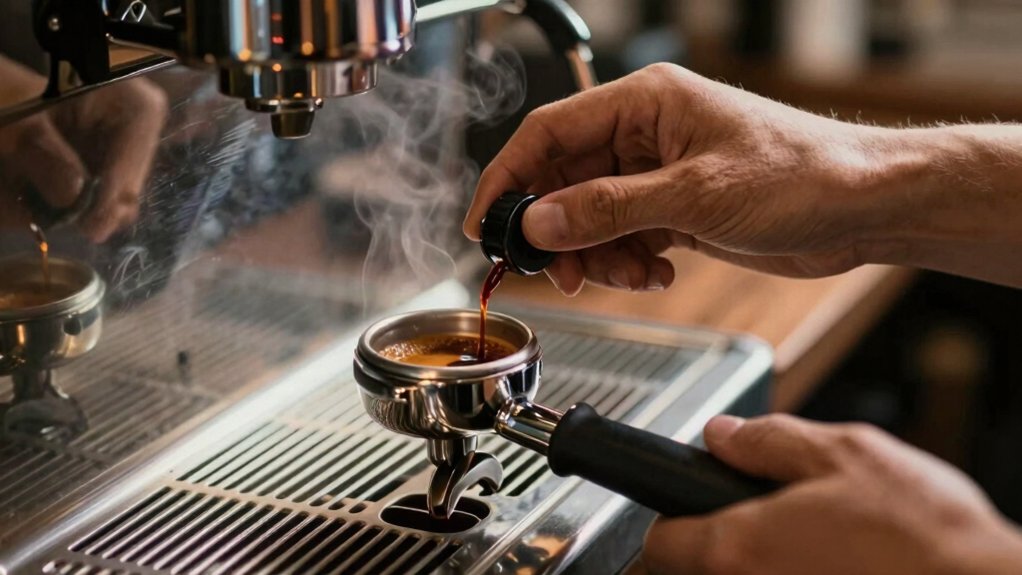
If your espresso tastes bitter, start by coarsening the grind slightly and pull toward a 25–35 second shot to avoid over-extraction. Use an 18–20 g dose and aim for a 36–40 g yield (about 2:1) for balance.
Check brew water is 92–96°C and stabilize your machine with warmed grouphead or blank shots. Adjust one variable at a time and log results for repeatability. Keep going and you’ll uncover precise tweaks for cleaner cups.
Quick Overview
- Grind coarser gradually to shorten overlong shots and reduce over-extraction bitterness.
- Lower brew temperature toward 92°C–94°C if shots taste harsh or astringent.
- Reduce yield or dose slightly to avoid extracting excessive bitter compounds.
- Ensure machine temperature stability and flush grouphead before pulling shots.
- Check tamping and puck prep for channels; evenly distribute and tamp to prevent uneven extraction.
Grind Size vs Extraction Chart
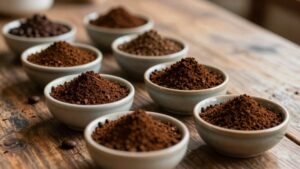
How does grind size change extraction? You’ll use grind calibration to control flow: finer grinds (180–250µ) slow water, raise extraction, and risk bitterness. Target fine (250–350µ) balances sweetness and acidity. Coarser (350–380µ) speeds flow, reducing extraction and crema balance. Adjust toward coarser if shots run >35s or taste harsh.
| Grind Range | Effect on Extraction | Quick Fix |
|---|---|---|
| 180–250µ | Slower flow, richer crema, risk over-extract | Coarsen grind slightly |
| 250–350µ | Balanced extraction, stable crema balance | Fine-tune calibration |
| 350–380µ | Faster flow, thin body, less crema | Slightly finer if sour |
Dose, Yield & Time Targets
Why aim for specific dose, yield, and time targets? You control bitterness by dialing dose accuracy, yield consistency, and extraction time to predictable ranges. Use these targets as your baseline; then tweak for taste.
- Dose: Weigh 18–20 g in for a single. Keep dose accuracy within ±0.1 g so strength stays steady.
- Yield: Aim 36–40 g out (2:1 ratio) for balanced extraction. Consistent yield prevents over-extraction bitterness.
- Time: Target 25–35 seconds. If shots exceed that, coarsen grind or reduce dose to avoid pulling harsh compounds.
Measure each shot, record numbers, and adjust one variable at a time. This methodical approach fixes bitter shots without guessing and gives repeatable, cleaner results.
Water Temperature Ranges
Set your brew water between 92°C and 96°C to hit the sweet spot for balanced extraction. If your water’s hotter, you’ll pull extra bitter compounds and astringency. If it’s cooler, you’ll under-extract and risk sourness or weak body.
Prioritize stable, well-calibrated equipment (PID control, flushed grouphead, or pre-infusion) so temperature stays consistent shot to shot.
Optimal Brewing Temperature
Wondering what temperature will keep your espresso from tasting sharp or burnt? Aim for 92–96°C as your target brewing window. You’ll avoid pulling excessive bitter compounds while still extracting sugars and acids.
Check your machine’s equipment temperature and let it stabilize before you brew; minor swings change extraction quickly. Prioritize temperature stability by running blank shots or allowing adequate heat-up time between pours. If your shots taste bitter, lower the setpoint a degree or two and test again: small changes matter.
On PID machines, use the display to confirm consistency; on simpler boilers, rely on routine warm-up and dosing timing to control heat. Consistent, appropriate water temperature prevents heat-driven bitterness without masking other adjustments.
Too-Hot Extraction Effects
Although a few degrees might seem minor, brewing above about 96°C pulls disproportionately more bitter and astringent compounds from the puck. You should keep water between 92–96°C to balance sweetness and acidity. Set your machine to this range and verify with a thermometer; many built-ins run hotter than displayed.
If shots taste harsh despite correct temperature, check for stale beans. Old coffee exaggerates heat-driven bitterness. Also, inspect your grinder: poor grinder maintenance creates uneven particles that extract inconsistently, worsening hot-water bitterness. Adjust grind slightly coarser if over-extraction persists and confirm extraction time stays within 25–35 seconds.
Finally, flush the grouphead before brewing to stabilize temperature and avoid a transient hot shot that would spike bitter extraction.
Too-Cool Extraction Issues
If overheating pulls out bitter compounds, too-cool water pulls too little, leaving your shot thin, sour, and underdeveloped. You’ll taste green acidity and weak body because soluble sugars and oils aren’t extracted fully. Aim for 92–96°C; lower settings invite under extraction and sourness.
If your machine runs too cool, raise the temperature in small increments; then test shots for balance. Don’t compensate by over-fining grind or lengthening time; that creates other faults. Use a calibrated thermometer or check machine diagnostics to confirm brew head temperature.
When you fix temperature, re-evaluate grind and dose: those interact with water heat. Consistent, adequate heat yields fuller sweetness, balanced acidity, and proper body without pushing bitter compounds.
Temperature Stability Importance
How steady is your brew temperature during the shot? You need temperature stability between 92°C and 96°C to avoid extracting excess bitter compounds. If water spikes above that range, bitter, astringent flavors dominate. If it drops too low, you’ll under-extract and taste sourness.
Check that each shot follows the same warm-up and dosing routine so your ritual consistency produces predictable results. Time your pre-infusion, dose volume, and puck preparation so incoming water meets the target range immediately. Monitor extraction time alongside temperature; shots running longer than 30–35 seconds often signal heat or grind issues.
Aim for repeatable steps: same grind setting, identical dose, consistent tamp. That disciplined approach reduces bitterness by keeping extraction chemistry steady.
Equipment Temperature Control
Equipment that keeps your brew water steady between 92°C and 96°C gives you predictable, non-bitter espresso. Aim to control both set temperature and short-term stability so each shot starts and stays in that window. Check your machine’s PID or thermostat accuracy and recalibrate if readings drift. Inconsistent spikes above 96°C pull bitter compounds fast.
If your espresso maker lacks reliable control, consider retrofit PID kits or upgrade to a unit designed for tight thermal management. Monitor grouphead and boiler stability between shots. Let temperature recover fully before brewing. For shops using automated systems, apply the same rigor as in SQL troubleshooting or cloud deployment: log temperature, diagnose anomalies, and iterate fixes.
Keep settings within the range to reduce heat-related bitterness.
Frequently Asked Questions
How Does Water Hardness Affect Bitterness and How Can I Test It?
Hard, mineral-rich water raises bitterness by extracting more bitter compounds. It also worsens channeling if your tamping pressure is uneven. You should test water hardness using test strips, a TDS meter plus hardness test kit, or send a sample to a lab. Those testing methods show calcium/magnesium levels.
If hardness is high, soften or use filtered water. Also, check tamping pressure and puck consistency to reduce channeling and uneven extraction.
Can Stale Beans Cause Bitterness Even With Correct Extraction?
Yes, stale beans can cause bitterness even with correct extraction. You’ll notice dull, flat flavors and harsher bitter notes because oils oxidize over time.
Even if your brewing time and grind are ideal, oxidized compounds taste bitter. Replace beans aged beyond a few weeks after roast, store them airtight and cool, and use fresher beans to restore clarity; this will reduce bitterness caused by staleness.
Does Espresso Machine Cleanliness Influence Bitter Flavors?
Yes, machine cleanliness directly affects bitterness. If you don’t clean group heads, portafilters, or the shower screen, rancid oils build up and cause cleaning impact on taste; this produces harsh, bitter notes and flavor loss of bright, nuanced acids.
You should backflush daily, descale periodically, and replace gaskets/brush residues. Keep beans fresh and wipe steam wands after every use to prevent lingering off-flavors and maintain balanced shots.
Will Switching Roast Level Reduce Bitterness in My Espresso?
Yes, if you switch roast to a lighter profile, you’ll usually reduce bitterness. Choose lighter-to-medium roasts (more fruity/nutty notes) and avoid very dark or stale beans that emphasize bitter, roasted flavors.
Try single-origin Arabica over Robusta. Adjust grind, dose and extraction time after switching roast; lighter roasts often need finer grind and slightly longer extraction to balance acidity and sweetness without reintroducing harsh bitterness.
How Does Tamping Pressure Cause Channeling and Bitterness?
Tamping pressure causes channeling and bitterness by disrupting proper tamping technique and extraction dynamics. If you tamp unevenly or too hard, you create dense spots and fissures that force water to take fast paths. This leads to over-extracting some coffee and under-extracting other areas. That yields harsh, bitter flavors.
Tamp evenly with consistent pressure; level the puck; and avoid excessive force so extraction dynamics stay uniform. This helps reduce channeling.
Conclusion
You can fix bitter espresso by tuning grind, dose, yield, time and temperature. Aim for balanced extraction: adjust grind coarser if over-extracted, shorten extraction time or reduce dose if needed.
Keep water between 90–96°C, and stable throughout brewing. Too-hot pulls harsh bitterness; too-cool under-extracts acids. Use stable equipment (PID, insulated boilers) and consistent routines.
Make one change at a time, taste, and iterate until shots taste clean and balanced.