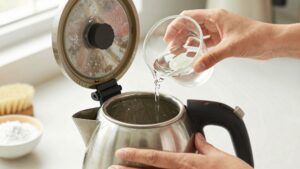
How to Clean a Drip Coffee Maker for Better-Tasting Coffee
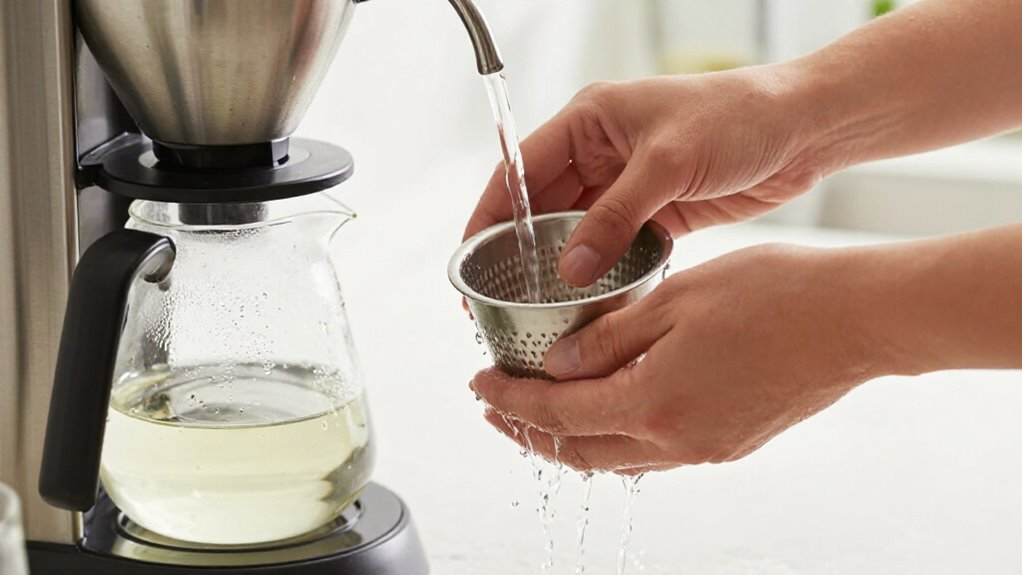
You’ll improve coffee flavor by rinsing the carafe and filter basket, then wiping the housing with a damp, lint-free cloth.
Check your manual before using 5% distilled white vinegar, since acid can harm seals or aluminum.
Mix equal parts vinegar and water, run half a cycle, pause for one hour, then finish and discard.
Run three water-only cycles.
Descale every one to three months, monthly with hard water.
More checks can restore flow and flavor.
Remove Scale, Improve Flavor
To remove scale and improve flavor, empty the carafe, rinse the filter basket and carafe, then fill the reservoir with equal parts distilled white vinegar and water. Start a brew cycle and stop it halfway. Let the solution sit for one hour so it can dissolve scale that slows brewing and contributes to bitter coffee. Resume and complete the cycle, then empty the carafe.
Fill the reservoir with fresh water and run a full brew cycle. Repeat two water-only cycles to remove vinegar odor, flavor, and residue. Descale every one to three months, increasing frequency in hard-water areas or heavy-use households. Act sooner if you see film inside the machine or brewing slows. If your model has a Clean mode, follow its stated ratio.
Gather White Vinegar and Cloth
Before starting the descaling cycle, gather white distilled vinegar with 5% acidity and a clean, lint-free microfiber cloth. Use standard household vinegar; don’t substitute colored or scented products. Check your coffee maker’s manual first, because acidic vinegar can damage some aluminum parts or rubber seals and may affect warranty coverage. Keep the room ventilated to limit lingering odor, and keep liquid away from electrical controls.
- Measure vinegar and water with a cup; use the manual’s specified ratio.
- Choose a soft, non-abrasive cloth to prevent scratches.
- Reserve a small brush or sponge for grounds in crevices.
Dampen the cloth lightly for the housing and control panel; don’t soak the machine. Use the cloth to thoroughly dry washed removable parts, reducing water spots and trapped moisture.
Descale Every 1–3 Months
Descale your drip coffee maker every 1–3 months to remove mineral scale that can slow brewing and cause bitter or stale-tasting coffee.
Adjust the interval to match water hardness and workload. In hard-water areas or busy households, schedule treatment closer to monthly; with filtered, soft water, you’ll generally wait longer. Check your manual before choosing a product because materials, warranty terms, and indicator lights vary. A white film inside the reservoir or roughly 100 completed filters signals earlier attention.
| Condition | Recommended timing | Action |
|---|---|---|
| Soft water | Every 3 months | Monitor flow |
| Hard water | Every 1 month | Inspect sooner |
| Heavy use | Every 1–2 months | Review schedule |
Log each treatment. Scale impairs heat transfer and flow, so timely descaling supports stable extraction, protects components, and preserves flavor.
Run Half-Cycle Vinegar Descale
You’ll prepare a 1:1 white-vinegar-and-water solution and fill the reservoir after removing the carafe and grounds. Start the brew cycle, then turn the machine off halfway so the solution can work through the internal lines.
After about one hour, restart the machine to finish the cycle and discard the solution.
Prepare Vinegar Solution
Once the carafe is empty and the used grounds are removed, fill the reservoir with equal parts distilled white vinegar and water. Start a brew cycle, then monitor the process until it reaches the midpoint. Turn off and unplug the coffee maker at that point.
Let the vinegar solution remain in the internal lines and heating chamber for approximately one hour. This soak gives the acid time to dissolve mineral scale and loosen deposits that can restrict flow or affect brewing temperature. After one hour, restore power and restart the machine to complete the cycle.
Allow the remaining solution to pass through the brewer, then discard it promptly. Don’t taste or reuse the liquid. Track the soak with a timer to prevent early restarting.
Fill Water Reservoir
With the carafe empty and used grounds removed, fill the reservoir with a 1:1 mixture of distilled white vinegar and water. Measure equal volumes accurately; don’t use cleaning vinegar, flavored vinegar, or concentrated descaler. Check your manual for approved solutions and dilution requirements, because some models restrict vinegar use.
Pour the mixture below the maximum-fill line, and wipe any spills from the housing. Remove a reservoir filter unless the manual permits it during descaling. Don’t add coffee, grounds, or a paper filter.
Seat the empty carafe correctly on its warming plate or drip platform. Keep the appliance unplugged while you prepare it, and avoid increasing vinegar strength for heavy scale. Use the manufacturer-approved descaler instead when required for your specific machine and warranty requirements.
Start Half Cycle
Start a normal brew cycle and monitor the coffee maker until it reaches the halfway point, usually about halfway through its brewing time. Keep the vinegar-and-water solution moving through the reservoir, heating element, and brew path during this initial portion.
Confirm that the carafe sits correctly beneath the basket and that the machine operates without leaks or unusual noises. The 1:1 distilled white vinegar and water mixture loosens limescale that can restrict flow, reduce heating efficiency, and produce bitter-tasting coffee.
Don’t add grounds or a paper filter during this cleaning cycle. Use the appliance’s regular brew setting rather than a stronger or specialty mode. When the indicator or brewing progress confirms the halfway point, you’ve completed the required first stage of the vinegar descale.
Pause Brewing Process
When the brew cycle reaches about halfway, switch the coffee maker off or unplug it to pause the flow. This interruption leaves the vinegar-water solution inside the reservoir, heating chamber, tubing, and brew basket, where deposits accumulate. The interruption prevents the solution from draining immediately, maximizing contact with scale-prone components.
Keep the machine disconnected during the soak, and place it on a heat-resistant surface. Let the solution remain in the passages for approximately one hour. This contact time allows the white vinegar to dissolve mineral scale and loosen coffee oils without requiring scrubbing. Don’t restart the appliance during this interval; premature circulation shortens the treatment time and can interrupt the descaling process. Check your model’s manual for pause, soak, or vinegar restrictions before proceeding.
Resume And Finish
After the one-hour soak, resume the brew cycle and let it finish completely. The 1:1 vinegar-and-water solution will pass through the internal lines, loosening remaining mineral scale and coffee oils. When brewing stops, discard the solution from the carafe and empty any residue from the reservoir area. Don’t drink or taste coffee brewed during this cleaning cycle.
Let the machine cool if the housing feels hot. Refill the water chamber with fresh water, then run a rinse cycle. Repeat this water-only cycle twice more to remove vinegar odor, flavor, and acidity. Empty the carafe after each cycle.
Check the manufacturer’s instructions if your model requires a descaling procedure or rinse volume. After the final rinse, wash the carafe and brew basket with unscented soap, rinse thoroughly, and allow them to dry before brewing coffee.
Hard-Water Homes: Monthly Descaling
Hard water deposits limescale in the heater and water lines, slowing brewing and producing harsher, more bitter coffee. If you live in a hard-water area, descale your machine monthly to maintain consistent extraction and flow.
Use filtered water between treatments to reduce new mineral buildup and help prevent clogged spray heads.
Why Hard Water Matters
Calcium and magnesium in hard water accumulate inside a drip coffee maker, forming scale that traps heat, restricts water flow, and can make coffee taste flat or bitter. These deposits reduce heat transfer, so the brewer may operate below its intended temperature and extract grounds unevenly. As scale thickens, it can narrow internal passages and alter the spray pattern, causing slower brewing and inconsistent saturation.
You’ll often notice a chalky white film in the reservoir or a cycle that takes longer than usual; these signs indicate mineral accumulation, even when the machine still functions.
Hard water also affects cleaning decisions because mineral residue provides a persistent surface for deposits. Using filtered water lowers calcium and magnesium content, helping limit scale formation and stabilize flavor.
Monthly Descaling Schedule
In hard-water homes, descale your drip coffee maker at least monthly to prevent mineral scale from slowing the brew and combining with coffee oils to create bitter flavors. Mark a recurring calendar reminder so you don’t miss the interval.
For each treatment, fill the reservoir with equal parts distilled white vinegar and water. Start a brew cycle, then pause it midway. Let the solution soak for about one hour before finishing the cycle.
Discard the used solution, then run at least three complete brew cycles with fresh water to remove vinegar odor, flavor, and residue. Inspect the machine’s brewing surfaces and removable parts during the process. If you see a white film, descale immediately, regardless of the calendar date. Use filtered water; follow instructions.
Preventing Mineral Buildup
If your tap water is hard, descale your drip coffee maker at least monthly to prevent mineral scale from slowing the brew and producing bitter, dull coffee. Mix equal parts distilled white vinegar and water in the reservoir. Start a brew cycle, pause it halfway, and let the solution sit for about one hour. Then finish the cycle.
Run two or three cycles with fresh water to flush vinegar from the tubing and shower head. If you notice white film on the machine or brewing takes longer, descale sooner than monthly; these signs indicate accumulating scale. Use filtered water to reduce mineral content and slow buildup between cleanings.
Check your manufacturer’s instructions before descaling, particularly if your machine requires specific solution or cleaning cycle.
Coffee Tastes Brighter Again
A 1:1 mixture of distilled white vinegar and water can dissolve mineral buildup that dulls coffee’s flavor and slows brewing. Fill the reservoir, start a brew cycle, and pause it midway. Let the solution soak for one hour, then finish the cycle to loosen deposits. Discard the mixture afterward.
Run one cycle with water, then repeat twice more. Three water-only cycles flush vinegar residue, odor, and taste that could make coffee seem “off.” Descale every one to three months, or more often with hard water.
If you see a white film, treat it as a sign that minerals are affecting flavor. Once rinsing is complete, brew normally; improved flow and steadier heating should make your coffee taste cleaner, brighter, and more balanced each time.
When the Brewer Leaks
Cleaner, better-tasting coffee shouldn’t come with water on the counter. First inspect the paper filter’s placement: seat it firmly in the basket, and keep it below the rim to prevent overflow. Ensure the carafe sits correctly on the warming plate, and check that the drip-stop or center valve moves freely. Coffee grounds around the spray head, nozzle, or funnel can distort flow, so remove buildup with a damp cloth or soft brush.
Run a full fresh-water brew cycle without grounds. If water still escapes, repeat the test once to flush loosened debris. Persistent leakage may indicate mineral buildup. Descale with a one-to-one blend of distilled white vinegar and water: pause halfway, let the solution soak, then finish the cycle. Follow with two complete water-only cycles.
Rinse the Filter Basket
Start by removing the filter basket and discarding the used grounds. Rinse it under warm running water to flush away residual oils. If your basket includes a mesh filter, gently scrub it with a soft sponge or toothbrush; use light pressure to avoid damaging the mesh.
When water alone doesn’t remove buildup, wash the basket in hot, unscented soapy water. Rinse thoroughly until no detergent remains. Dry it with a clean towel, or let it air-dry completely.
Reinstall it only when it’s clean and dry.
- Remove grounds promptly to limit stale odors and microbial growth.
- Rinse oils away to help prevent bitter, stale flavors.
- Keep soap residue out of the brew path to protect coffee taste.
Reassemble it only after the basket dries completely.
Inspect the Showerhead Holes
Unplug the coffee maker, remove the filter basket and carafe, and inspect the showerhead’s outlet holes. Confirm that each hole appears open and distributes water evenly. If water drips unevenly or sputters, mineral scale or coffee oils may obstruct the passages. Examine the edges for white film, crusty deposits, or dark spots; these indicate buildup that can cause uneven saturation and weaken flavor.
If you can access the showerhead, gently clear a blocked hole with a toothpick or brush. Don’t enlarge the openings or force debris inward. Rinse the showerhead under warm water, then check the holes. If blockage remains, soak a removable showerhead until deposits dissolve, or run a vinegar-water cycle according to the manufacturer’s instructions. Reassemble only after parts are clean and dry.
Conclusion
Clean your drip coffee maker on schedule to remove mineral scale, stale oils, and brewing residue. Descale with white vinegar every one to three months, or monthly if you have hard water, then run complete water-only cycles until no vinegar odor remains.
Rinse the filter basket, inspect the showerhead holes, and check for leaks before brewing. With consistent maintenance, you’ll restore proper flow, extraction, and a brighter, more balanced cup of coffee for better results.