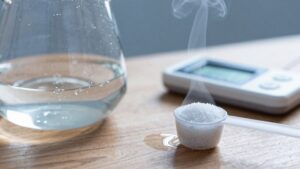
Coffee Water Mineral Content Explained

You need balanced minerals for predictable extraction: TDS (~150 ppm) sets overall dissolved solids and mouthfeel, while alkalinity (40–70 ppm as CaCO3) buffers acidity and controls pH during brewing.
Calcium and magnesium provide hardness; aim for total hardness that contributes to 100–150 ppm TDS with a higher magnesium share for sweetness and extraction. Carbonate hardness affects buffering; adjust by dilution, mineral dosing or bicarbonate and verify with tests.
Continue and you’ll learn practical targets and adjustment steps.
Quick Overview
- Total dissolved solids (TDS) measure all minerals (ppm) and guide mouthfeel and extraction range.
- Alkalinity (ppm as CaCO3) buffers acidity; target about 40–70 ppm for balanced perception. Aim for overall hardness producing ~100–150 ppm TDS, with magnesium favored for sweetness.
- Calcium:magnesium ratio near 1:2 (Mg:Ca) supports balanced extraction and body, especially for espresso.
- Adjust water by dilution, mineral dosing, or bicarbonate additions. Always re-measure after changes.
TDS vs. Alkalinity Chart
Why do TDS and alkalinity often get lumped together? You see both measure dissolved content, but they serve different roles in brewing taste: TDS gives a mineral total, while alkalinity (as CaCO3) buffers acidity and predicts flavor impact.
You’ll use TDS as a compass and alkalinity to fine-tune acidity.
| Metric | What it measures | Practical effect |
|---|---|---|
| TDS | Total minerals (ppm) | Texture, extraction range |
| Alkalinity | Acid-neutralizing capacity (ppm) | Buffers acidity, flattens/sharpens taste |
| Relationship | TDS includes alkalinity | Alk often drives perceived flavor |
Target roughly 150 ppm TDS and 40–70 ppm alkalinity for balanced water chemistry and repeatable extraction.
Calcium & Magnesium Targets
How much calcium and magnesium should you target in brewing water depends on the extraction goals and the coffee style you’re dialing in. You’ll aim for calcium balance that provides structural body without harshness and a magnesium ratio that promotes sweetness and rounded mouthfeel.
Target overall hardness to deliver 100–150 ppm TDS. Calcium is typically lower than magnesium for specialty extraction. Adjust to taste and method: espresso tolerates higher calcium for body; filter benefits from softer calcium and slightly elevated magnesium for clarity.
Aim magnesium-to-calcium near 2:1 for balanced extraction chemistry. Keep total hardness within 50–150 ppm for most methods. Prioritize magnesium when enhancing sweetness perception. Reduce calcium if coffee tastes overly astringent. Test and iterate with small adjustments.
Carbonate Hardness Limits
You’ll assess acceptable carbonate hardness ranges (typically reported as mg/L CaCO3) and how they map to SCA alkalinity targets. Consider how carbonate levels alter extraction chemistry and pH buffering.
What measurement methods (titration, test kits, probe) reliably report? There are practical ways to raise or lower carbonate concentration. This will frame actionable choices for controlling alkalinity and preserving flavor balance.
Acceptable Carbonate Ranges
When considering acceptable carbonate ranges for brewing water, think in terms of carbonate hardness (alkalinity) measured as CaCO3. The Specialty Coffee Association recommends keeping total alkalinity roughly between 40–70 ppm to maintain predictable extraction across origins and roast levels.
You should view carbonate buffering as a control on pH effect and taste stability. Alkalinity testing quantifies that buffer so you can manage extraction consistency. Pay attention to calcium interaction, since carbonate ties up calcium and alters hardness influence and mineral balance. Aim for moderate water softness to avoid under- or over-extraction risks.
Remember distillation tradeoffs: distilled water removes buffering and minerals, reducing predictability. Set carbonate targets within the SCA band to keep brewing outcomes repeatable and analytically defensible.
Effects On Extraction
Why does carbonate hardness set hard limits on extraction efficiency and flavor stability? You’ll find carbonate hardness governs buffering capacity, which stabilizes pH during contact time and constrains solute solubility.
When alkalinity is low, acids extract rapidly, producing sharp, under-extracted notes. When alkalinity is high, buffering suppresses acidity and promotes excessive solubilization of bitter compounds. You should target moderate carbonate levels to preserve origin clarity while avoiding over-extraction.
For espresso texture, carbonate-driven calcium and magnesium balance influences crema body and perceived mouthfeel. Too much carbonate yields chalky, flat textures.
Mineral buffering also impacts dose-to-yield sensitivity: small changes in grind or dose produce larger flavor shifts when buffering is weak. Control carbonate hardness to maintain predictable extraction curves and stable sensory outcomes.
Measurement Methods Overview
How do you reliably quantify carbonate hardness so you can set practical extraction limits? You use standardized measurement methods and disciplined water sampling to produce comparable results. Titration with EDTA or acid-back titration to determine alkalinity (as CaCO3) gives direct carbonate hardness estimates; report in ppm or mg/L. Ion chromatography offers higher precision for bicarbonate and carbonate speciation when needed.
Ensure sampling follows temperature control, contamination avoidance, and prompt analysis to prevent CO2 exchange altering alkalinity. Calibrate instruments with certified standards and document methods, detection limits, and uncertainty. Interpret carbonate hardness alongside calcium and magnesium concentrations to define practical extraction limits for brewing. Consistent protocols let you compare sources and adjust water treatment objectively.
Interaction With pH
What happens to coffee extraction as carbonate hardness shifts and pH moves across the neutral range? You’ll observe that rising carbonate hardness increases buffering, which holds pH nearer neutral during extraction and suppresses acidity perception.
Lower carbonate hardness reduces buffering; so pH swings toward acidity and can accentuate bright, under-extracted notes. You should monitor pH because it mediates solubility of organic acids, affecting sweetness and bitterness balance. Use objective measurements rather than intuition: carbonate hardness correlates with alkalinity and thus extraction stability.
Avoid conflating this subtopic with unrelated material regarding adjustments; focus on cause and effect. Two word ideas like “buffer capacity” clarify mechanisms. In short, carbonate-driven buffering controls pH dynamics and predictable flavor outcomes in coffee water.
Adjusting Carbonate Levels
When you adjust carbonate hardness, you directly change the water’s buffering capacity and hence the pH behavior during extraction. Small shifts in carbonate levels can produce predictable changes in perceived acidity and sweetness. You’ll manage carbonate buffering to keep alkalinity within the SCA-recommended 40–70 ppm (as CaCO3) range; this stabilizes pH between roughly 6.5 and 7.5 during brewing.
Lower carbonate hardness reduces buffering, letting acidity express more sharply. Higher carbonate hardness mutes acidity and favors sweetness extraction at the cost of potential flatness. Monitor mineral interactions: calcium and magnesium partially complex with bicarbonate, altering effective alkalinity. Adjust with dilution, mineral dosing, or bicarbonate additions. Measure alkalinity and TDS after adjustments to verify predictable sensory outcomes.
Frequently Asked Questions
How Does Mineral Content Affect Crema on Espresso?
Mineral content directly shapes crema formation: you’ll get thicker, longer-lasting crema when balanced calcium and magnesium improve emulsification and CO2 retention.
Mineral interactions, especially a 2:1 magnesium-to-calcium ratio and moderate TDS (60–120 ppm), enhance foam stability and mouthfeel. Excess minerals make crema coarse and short-lived; too few minerals produce thin, unstable crema.
Controlling alkalinity and bicarbonates also fine-tunes crema texture and extraction consistency.
Can I Use Distilled Water Safely for Cold Brew?
Yes, you can use distilled water safely for cold brew; however, expect cold brew implications: flatter flavor and weaker mouthfeel due to missing calcium and magnesium. Distilled water safety is fine microbiologically; yet extraction chemistry changes, causing under-extraction and reduced sweetness.
To improve balance, add a measured mineral blend or mix distilled with bottled water to reach approximately 100–150 ppm TDS and proper alkalinity for better flavor and stability.
Do Mineral Levels Change With Different Roast Profiles?
Yes, roast profile minerals interact with brew chemistry; however, roasting doesn’t change water mineral concentration changes. It alters bean chemistry and extraction sensitivity.
Darker roasts release more soluble compounds, so you’ll need lower mineral concentrations to avoid over-extraction and bitterness. Lighter roasts benefit from slightly higher mineral content for brightness and sweetness extraction.
Adjust TDS and alkalinity to match roast-driven extraction differences for consistent flavor balance.
How Do Sulfates and Chlorides Alter Taste Balance?
Sulfates influence perceived acidity and brightness by accentuating acidic notes and tightening crema. Chlorides balance sweetness and roundness by softening acidity and enhancing body. You’ll notice sulfates bring sharper, more citric clarity. Chlorides add fuller, sweeter mouthfeel.
Adjusting their ratio lets you fine-tune acidity versus richness: increase sulfates for livelier cups; raise chlorides to mellow sour edges and bolster sweetness, aiming for balanced extraction.
Will Bottled Water Brands List Alkalinity and Hardness?
Yes, you’ll often find bottled water labels listing mineral reporting, but alkalinity and hardness aren’t always explicit. Read the label or the company’s water quality report: they’ll typically report calcium, magnesium, sodium, chloride and total dissolved solids (TDS).
From those values, you can calculate hardness and estimate alkalinity. If labels omit details, check the brand’s website or request a Certificate of Analysis for precise mineral reporting and alkalinity figures.
Conclusion
You’ve learned how mineral composition—TDS, alkalinity, calcium and magnesium, and carbonate hardness—shapes extraction, flavor, and pH stability in your brew.
Use the charted targets and acceptable carbonate ranges to aim for balanced extraction: enough calcium and magnesium to drive solubles without excessive hardness that locks flavors or buffers acidity.
Measure with TDS, alkalinity, and hardness tests. Then adjust carbonate levels precisely to maintain consistency and predictable results in every cup.